

The fascinating journey of gambling through history
The Origins of Gambling
The roots of gambling can be traced back thousands of years, with evidence of dice games dating as far back as 3000 BC in ancient China and Mesopotamia. These early forms of gambling were often tied to religious practices and rituals, where casting lots was seen as a way to communicate with the divine. Archaeological discoveries of six-sided dice from these ancient civilizations reveal not only the popularity of the pastime but also its integral role in the social fabric of society. Today, many players enjoy platforms like Kachingo, which reflect the long history of such games.
As gambling spread across various cultures, it adapted to local traditions and societal norms. In ancient Rome, betting on gladiatorial contests became a common activity, reflecting the Romans’ love for competition and spectacle. The Romans also developed more structured gambling games, such as the popular board game “Tesserae,” which showcased their ingenuity in creating systems of chance that entertained and engaged a wide audience.
By the Middle Ages, gambling evolved further with the introduction of card games, which were believed to have originated in China and subsequently spread to Europe. This period marked a transition from simple dice games to more complex strategies involving skill and chance. Cards became a symbol of status among the nobility, and gambling houses began to emerge, setting the stage for more organized betting activities that would follow in the coming centuries.
The Renaissance and the Rise of Betting Systems
The Renaissance period marked a significant turning point in the history of gambling, as the blending of cultural ideas led to new gaming innovations and practices. The introduction of lotteries during this time provided a state-sanctioned means of gambling, allowing governments to raise funds for public projects while generating excitement among citizens. These lotteries often included large prizes, enticing a diverse demographic to participate and laying the groundwork for more structured betting systems.
During this era, various betting systems emerged, with players and gamblers beginning to devise strategies to improve their chances of winning. Notable systems included the Martingale and Fibonacci methods, which were based on mathematical principles and probability. These systems gained traction among gamblers looking to maximize their profits in games of chance, setting the precedent for modern betting strategies that continue to be popular in today’s gambling world.
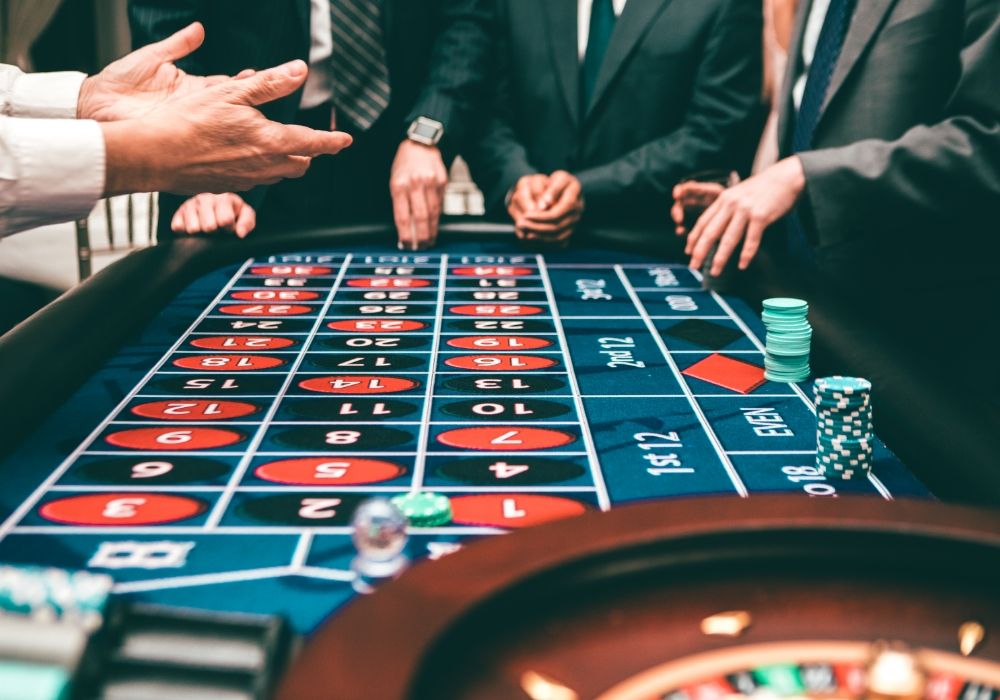
The evolution of games such as poker and roulette during the Renaissance not only revolutionized gambling but also made it more accessible to the general populace. The social dynamics of these games drew in players from all walks of life, establishing gambling as a prominent aspect of entertainment and leisure. This widespread popularity led to the establishment of formal gaming houses, particularly in places like Venice and Paris, where the atmosphere was filled with excitement and the thrill of chance.
Gambling in the Modern Era
As the modern era unfolded, gambling underwent significant transformations that aligned with broader societal changes. The late 19th and early 20th centuries saw the rise of casinos in Europe and America, creating glamorous venues where people could indulge in various games. This period marked the formalization of gambling laws and regulations, ensuring a safer environment for both operators and players. As cities like Las Vegas and Monte Carlo emerged as gambling capitals, they became synonymous with luxury and high stakes.
Technological advancements further shaped the gambling landscape, leading to the introduction of slot machines and video games. These innovations made gambling more accessible and appealing to a broader audience, contributing to the booming casino culture of the 20th century. The integration of technology into gambling also paved the way for online gaming, revolutionizing how people engage with games of chance.
Throughout the 20th century, the perception of gambling began to shift from a vice to a form of entertainment. Regulatory changes and greater public acceptance allowed gambling to flourish, with a focus on responsible gaming practices. This period also saw the emergence of professional gamblers and a growing interest in gambling as a serious endeavor, with individuals studying strategies and odds to increase their chances of success.
The Digital Revolution and Online Gambling
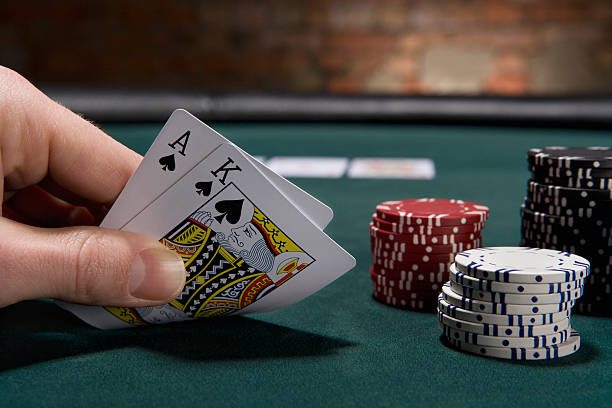
The advent of the internet in the late 20th century transformed the gambling industry yet again. Online casinos emerged in the 1990s, offering players the convenience of gambling from the comfort of their homes. This new format not only expanded the market but also introduced innovative features such as live dealer games, which simulate the experience of playing in a physical casino. The rise of mobile gaming further facilitated access to online gambling, allowing players to place bets from anywhere in the world.
With the rapid growth of online gambling, regulatory bodies had to adapt to ensure consumer protection and fairness. Licensing became crucial, as reputable platforms sought to build trust with their users. As a result, players gained access to a vast array of games and betting options, including sports betting and virtual gaming. This explosion of online offerings has made it essential for players to be informed about the risks and benefits of various gambling practices.
Moreover, the online gambling environment has fostered a sense of community among players, with forums and social media platforms allowing them to share strategies, experiences, and tips. The ability to connect with others has made online gambling a more engaging and interactive experience, drawing in a new generation of players eager to explore the world of chance and strategy.
Kachingo Casino: A Premier Online Gaming Platform
Kachingo Casino stands at the forefront of the online gambling revolution, offering UK players an extensive library of games tailored to their preferences. With over 3,300 options, including slots, live dealer games, and classic table games, Kachingo ensures a diverse gaming experience that caters to all tastes. The platform’s commitment to security and responsible gaming is backed by licensing from the UK Gambling Commission, ensuring a safe environment for players to enjoy their favorite games.
New players are welcomed with enticing bonuses, including generous offers and free spins, designed to enhance their gaming journey from the very start. Kachingo Casino prioritizes user experience, providing quick and hassle-free transaction methods, including PayPal, that allow players to focus on what they enjoy most: gaming. Regular promotions keep the excitement alive, ensuring that players have new opportunities to win and explore different games.
As a platform dedicated to innovation and player satisfaction, Kachingo Casino embraces the evolution of gambling while maintaining a strong commitment to player safety. With a focus on providing an enjoyable and responsible gaming atmosphere, Kachingo Casino represents the future of online gambling, inviting players to embark on their own fascinating journey through the world of chance and strategy.